About
About Coastal Ecosystems and Emerging Challenges CEEC – 2026
The Coastal Ecosystems and Emerging Challenges (CEEC) conference serves as a dynamic platform for scientists, academicians, environmentalists, policymakers, industry professionals, and community stakeholders to explore the evolving landscape of coastal environments. Coastal challenges in India, particularly in biodiversity and the blue economy, are increasingly significant due to growing human pressures, climate change, and unsustainable exploitation of marine resources. Coastal ecosystems comprising mangroves, estuaries, coral reefs, lagoons, and wetlands are among the most productive yet vulnerable ecosystems on Earth. They face mounting threats from climate change, sea-level rise, pollution, habitat degradation, overexploitation, and increasing human interventions.
This conference aims to address these pressing challenges by fostering dialogue, encouraging interdisciplinary research, and showcasing innovative approaches in monitoring, modeling, conservation, and sustainable management of coastal zones. Sessions will span a wide range of topics, including oceanography, marine biodiversity, coastal geomorphology, remote sensing and GIS applications, disaster risk reduction, and opportunities in the blue economy.
The event provides a unique opportunity for participants to exchange ideas, present research findings, form collaborative networks, and contribute to shaping informed policies for the long-term sustainability of coastal regions.
About Centre for Earth System and Sustainability (CESS)
The Centre for Earth System and Sustainability (CESS) is dedicated to addressing environmental challenges through cutting-edge research, academic excellence, and technological innovation under the umbrella of Centurion University of Technology and Management, Odisha. The university has been designated as Centre of Excellence (CoE). The vision of the CoE is to be a leading centre of excellence in Earth system and sustainability, leveraging advanced geospatial technology and oceanographic research to drive innovative solutions for environmental challenges and benefits to the community. Currently, the centre engage with the following research activities to support sustainable development and environmental conservation; (a) Bio-geochemical study of sea water, (b) Monitoring the impact of climate change on marine biodiversity, (c) Using satellite remote sensing to monitor water quality and ocean productivity, (d) Hyperspectral study of water, soil, and vegetation (e) Developing algorithms for chlorophyll estimation and harmful algal bloom detection, (f) Toxic element analysis of drinking water, waste water, and surface water, (g) Air quality index monitoring and mapping, (h) DGPS and UAV usage, data processing, and mapping.
National Advisory Committee
-
- J Padhi, Director, SoET, BBSR Campus, CUTM
- (Dr.) Madhumita Das, Former Vice Chancellor, F M University, Odisha
- (Dr.) Geetanjali Dash, Vice Chancellor, Berhampur University, Odisha
- (Dr.) Susanta Kumar Das, Vice Chancellor, G. M University, Sambalpur
- (Dr.) Pradipta Kumar Behera, Vice-Chancellor, Rajendra University, Bolangir.
- Nobi E. P., Scientist, MoES, New Delhi
- Biraj Kumar Sahu, Scientist, CSIR-NIO, Goa
- Debadatta Swain, School of Earth, Ocean & Climate Sciences, IIT, BBSR
- Sandeep K K, School of Earth, Ocean & Climate Sciences, IIT, BBSR
- Shreerup Goswami, Dept. of Geology, Utkal University
- Prof Manoranjan Mishra, Dept. of Geography, FM University
- Ajanta Goswami, Dept. of Earth Sciences, IIT Roorkee
- Suchismita Srichandan, Dept. of Marine Sciences, Berhampur University
- Shesdev Patro, Dept. of Marine Sciences, Berhampur University
- Anil Mohapatra, Scientist-E, ZSI, Gopalpur
- Sarat Chandra Sahu, Ex-Director, IMD, Bhubaneswar
- Dr Aneesh Lotliker, Scientist F, INCOIS, Hyderabad
- Nihar Ranjan Sahu, State Pollution Control Board, Bhubaneswar
- Manish Kumar, Principal Scientist, Dept. of Environment & Sustainability, IMMT, BBSR
- Sachikanta Nanda, Associate Professor, SRMIST, Chennai
- Ashutosh Acharya, Chief Climate Scientist, Aurassure Pvt. Ltd.
- Alakes Samanta, Scientist D, INCOIS, Hyderabad
ORGANIZING COMMITTEE
PATRONS
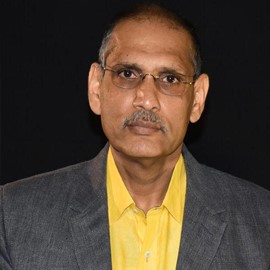
Prof. MuktiKanta Mishra
President CUTM
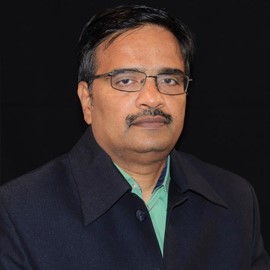
Prof. D.N Rao
Vice- President CUTM
CO-PATRONS
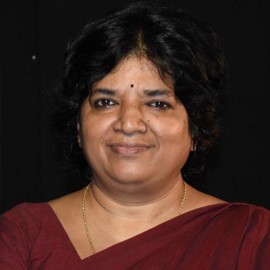
Prof. Supriya Pattnaik
Vice-Chancellor, CUTM, Odisha,India
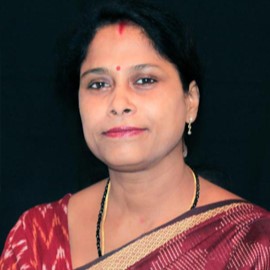
Prof. Anita Patra
Registrar, CUTM, Odisha,India
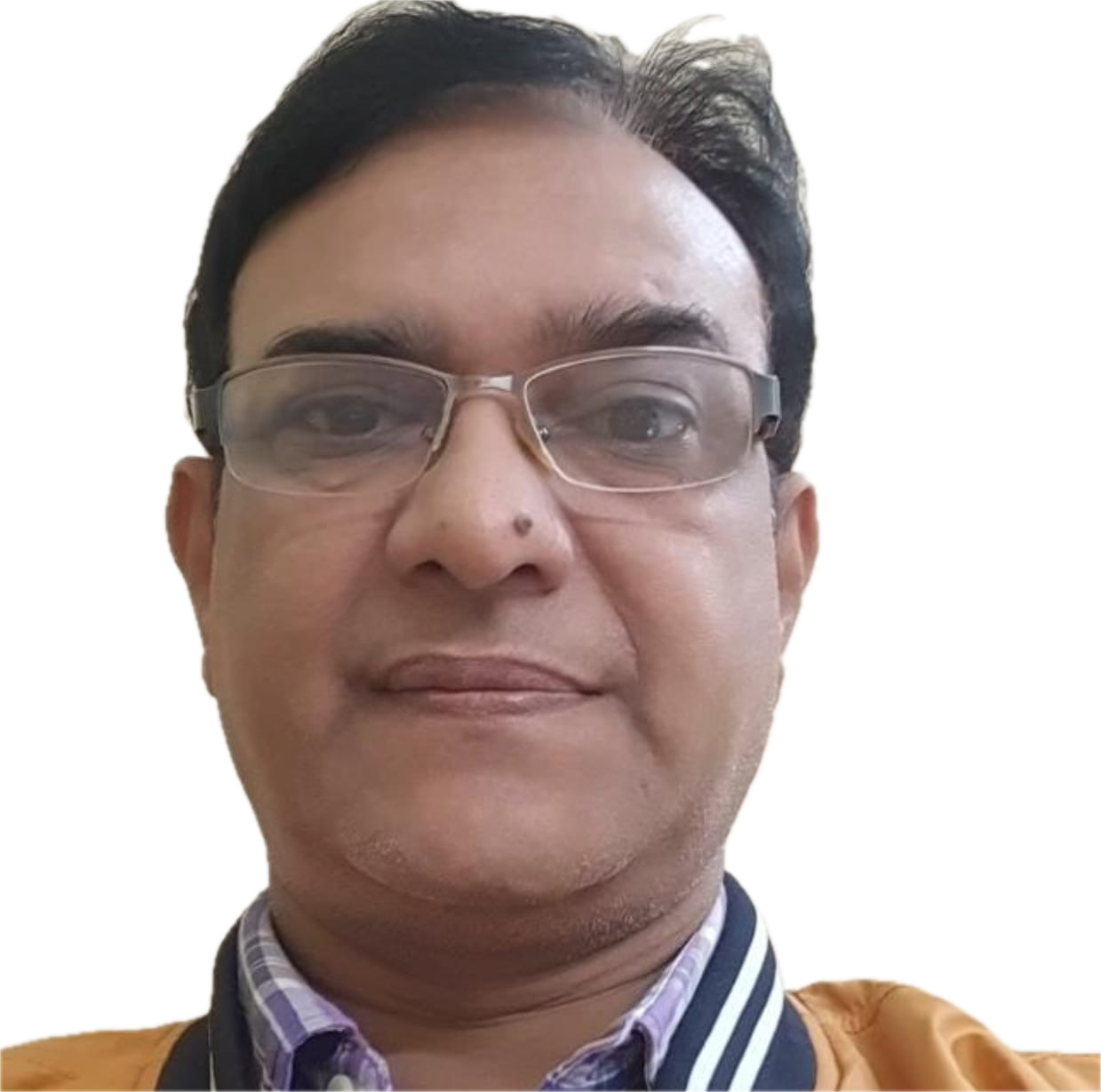
Dr. Biswajit Mishra
Pro-Vice Chancellor, CUTM, Odisha, India
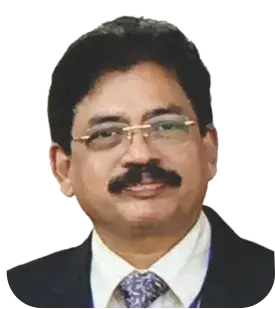
Dr. Ajay Kumar Nayak
Pro-Vice Chancellor, CUTM, Odisha, India
CONVENOR
Dr Kamal Kumar Barik
Associate Professor
Centre for Earth System and Sustainability
Centurion University of Technology and Management
Ramachandrapuram, Jatni, Khurdha, Bhubaneswar: 752050
Mob – +91 63718 93947
ORGANIZING SECRETARY
Dr Pratap Kumar Chhotaray
Associate Professor
Centre for Earth System and Sustainability
Centurion University of Technology and Management
Ramachandrapuram, Jatni, Khurdha, Bhubaneswar: 752050
Mob – +91 82492 74155
JOINT ORGANIZING SECRETARY
Dr. Sambid Swain
Dean, School of Fisheries
Centurion University of Technology and Management
Alluri Nagar, R. Sitapur, Paralakhemundi -761211
Mob – 82499 06550
Dr. Satyanarayan Sahu
Asst. Professor, Dept. of Biotechnology
Centurion University of Technology and Management
Ramachandrapuram, Jatni, Khurdha,
Bhubaneswar – 752050
Mob – 97763 00366
LOCAL ORGANIZING COMMITTEE
-
- Prof. Smita Mishra Panda School of Management, CUTM
- Prof. Sujata Chakravarty Dean, School of Engineering & Technology, CUTM
- Prof. Ramesh Ch. Mohanty Dean, R&D, CUTM
- Prof. Sangram Keshari Swain Dean, Students’ Welfare, CUTM
- Prof. Prafulla Kumar Panda Dean, SoET, Paralakhemundi, CUTM
- Prof. Pallab Das Dean, School of Law, CUTM
- Prof. Satyasis Mishra Dean, SDG, CUTM
- Prof. Sushmita Das Dean, IQAC, CUTM
- Dr. Satyabrata Nanda Dean, School of Biotechnology, CUTM
- Prof. Siba Prasad Mishra Dept of Civil Engineering, CUTM
- Prof. Harish Ch. Mohanta Dept. of ECE, CUTM
- Dr. Jyoti Praksh Giri Associate Professor, Dept of Civil Engineering, CUTM
- Dr. Biranchi Prasad Mishra Associate Professor, Dept. of Aerospace Engineering, CUTM
- Dr. Sudhansu Kumar Samal Associate Professor, Dept. of EEE, CUTM
- Dr. Rajendra Kumar Khadanga Associate Professor, Dept. of EEE, CUTM
- Prof. Rajkumar Mohanta Assistant Professor, Dept. of CSE, CUTM
- Dr. Deepak Kumar Sahu Assistant Professor, Dept. of Civil Engineering, CUTM
- Dr. Rukmini Mishra Associate Professor, Dept. of Botany, CUTM
- Dr. Abanikanta Bhadra Dept. of Environmental Sciences, CUTM
- Dr. Pradeep Kumar Sahoo Associate Professor, School of Management, CUTM
- Prof. Kula Bhusan Pradhan Bhubaneswar Campus, CUTM
- Dr. Sai Smrutiranjan Mohanty Assistant Professor, Dept. of Environmental Science, CUTM
- Mr. Chitta Ranjan Pattanayak Senior Manager, HRA, CUTM
About CUTM
The Centurion University is duly recognised as a pioneer in ‘Skill Integrated Higher Education’ and has been accredited with an NAAC A+ grade. Its unique model lays specific emphasis on creating sustainable livelihoods on a national scale in challenging geographies through education that results in employability and sparks entrepreneurship. This model has been recognised by multiple Governments (Central and State), International organisations such as UNESCO and the World Bank, as well as Policy Think-tanks such as the Niti Ayog. Centurion University’s School of Vocational Education and Training has been recognized as a Centre of Excellence by the Ministry of Skill Development and Entrepreneurship, Government of India.
At present, the university has different campuses (located at Paralakhemundi (Gajapati District), Bhubaneswar (Khurdha District), Rayagada, Balangir, Chatrapur (Ganjam District), and Balasore and several social entrepreneurial outreach programs that, along with collaborating institutions and networks, form its ecosystem. Its motto is “Shaping lives and empowering communities” from its inception. The university is known for its skill development courses and academic excellence in the field of education, with 24 research centers on niche areas and has 43 domain courses from its 16 schools, and 110 skill courses, for providing hands-on training to the students and making them market-ready.
How to Reach CUTM
- To reach Centurion University, Bhubaneswar, from Biju Patnaik International Airport (23 km away), you can take the AMA Bus Route 21 and change at Jatani Gate to AMA Bus Route 22B, or hire a taxi/Odisha Yatri/ Ola/ Uber.
- From the Khurda Road Junction Railway Station (3.9 km away), taxis or autos are available, or take an AMA Bus (Route 22B) to Centurion University of Technology and Management, or hire a taxi/Odisha Yatri/ Ola/ Uber.
- From the Bhubaneswar Railway Station (25 km away), taxis or autos are available, or take the AMA Bus Route 21AC/ 21A and change at Khurda Road Station Bus Depot to AMA Bus Route 22B to Centurion University of Technology and Management, or hire a taxi/Odisha Yatri/ Ola/ Uber.
By road, CUTM is easily accessible from major city points, such as Jatani Gate and Baramunda ISBT, via Mo Bus or auto-rickshaws. The campus is situated near Sitaram Square, along the Jatani-Bhubaneswar Road, and is well-connected by public and app-based transportation.
CONFERENCE MODE
The Conference shall be held in an OFFLINE MODE only.
About Venue City
How to Reach Bhubaneswar/Jatani
By Air:
Biju Patnaik International Airport (BBI) is the primary airport in Bhubaneswar, located just 23 km from the Jatani. It operates regular domestic flights from major cities like Delhi, Mumbai, Kolkata, Bengaluru, Hyderabad, and Chennai.
Airport to Jatani: easily accessible via prepaid taxis, cabs (Odisha Yatri/Ola/Uber), and auto-rickshaws.
By Train:
Khurda Road Junction Railway Station and Bhubaneswar Railway Station (BBS) are major stops on the East Coast Railway network and are well-connected to almost every major Indian city, including New Delhi, Mumbai, Chennai, Howrah (Kolkata), Bengaluru, and Ahmedabad. Frequent superfast trains, Rajdhani, and express services make travel convenient and affordable.
Railway Station to Jatani: Located south of Bhubaneswar; autos, cabs, and buses are readily available outside the station.
By Road:
Bhubaneswar is well-linked by an extensive road network via National Highways NH-16 and NH-316. Government-run (OSRTC) and private buses operate daily from nearby cities, such as Puri, Cuttack, and Berhampur, as well as distant metros like Kolkata, Ranchi, and Visakhapatnam. Deluxe AC, non-AC, sleeper, and Volvo services are available.
Bus Terminals: Major bus stands include Baramunda ISBT and Babasaheb Bhim Rao Ambedkar Bus Terminal (BSABT), from where local transport is easily available.
Places to Visit
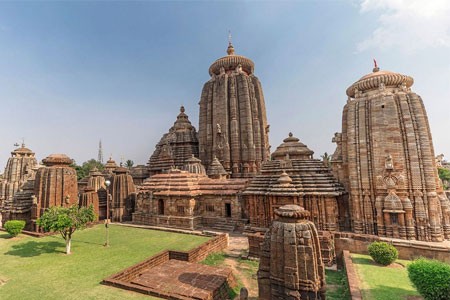
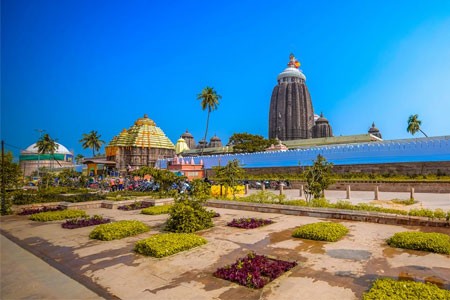
The Lingaraja Temple in Bhubaneswar is an 11th-century architectural marvel dedicated to Lord Shiva, worshipped here as Harihara, a fusion of Shiva and Vishnu. It is one of the oldest and most prominent temples in Odisha, showcasing the grandeur of Kalinga-style architecture. The temple’s towering spire and intricate carvings make it a major pilgrimage site and tourist attraction. Shiva’s consort, Goddess Parvati, is worshipped here as Annapurna or Girija. It remains a vibrant center of devotion and heritage in Bhubaneswar.
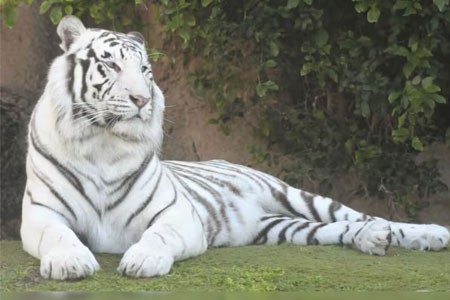
Nandankanan is a unique zoo and botanical garden located inside a forest, offering natural enclosures for animals. It is famous for white tigers, lions, and a wide variety of birds and reptiles. The zoo also features a safari, toy train, aquarium, and boating. It’s a popular spot for families and wildlife lovers.
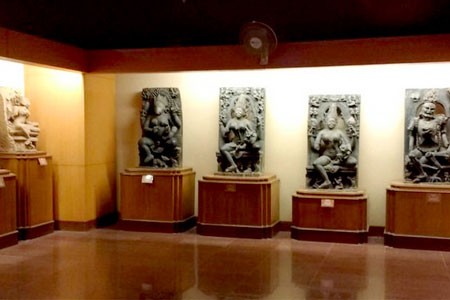
The Odisha State Museum in Bhubaneswar, originally established in 1932 and relocated to its current building in 1960, showcases the rich cultural and historical heritage of Odisha. It houses eleven sections, including Archaeology, Numismatics, Art & Craft, Palm-leaf Manuscripts, and more. The museum displays ancient sculptures, coins, weapons, manuscripts, and tribal artifacts. Managed by the Department of Cultural Affairs, it offers deep insights into Odisha’s artistic and historical evolution, making it ideal for students, researchers, and culture lovers.
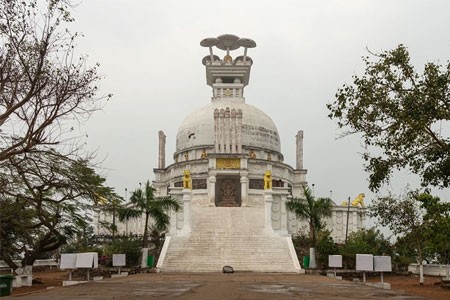
The Dhauli Shanti Stupa, or Peace Pagoda, was built in 1972 by the Japan Buddha Sangha and Kalinga Nippon Buddha Sangha. It marks the site of the historic Kalinga War, where Emperor Ashoka renounced violence and embraced Buddhism. The white stupa, a symbol of peace and non-violence, offers serene views of the Daya River and surrounding landscape. Visitors can also see Ashokan rock edicts and ancient inscriptions nearby. The site is a powerful reminder of transformation through peace.
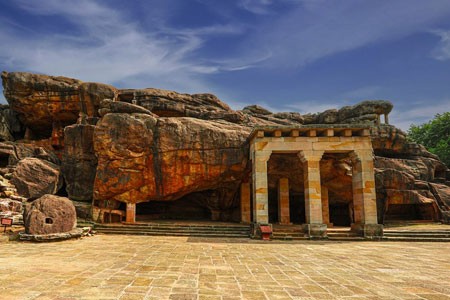
The Udayagiri and Khandagiri Caves, also known as the Cuttack Caves, are a group of partly natural and partly man-made caves dating back to the 2nd century BCE. These twin hills are closely associated with Jain monks and reflect early Jain architecture and monastic life. Udayagiri features intricately carved caves, such as Rani Gumpha, while Khandagiri offers panoramic views of Bhubaneswar. The site holds immense archaeological, historical, and religious significance.
The Konark Sun Temple, built in 1250 CE by King Narasingha Deva I, is a stunning 13th-century marvel shaped like a giant stone chariot dedicated to the Sun God. It features 24 intricately carved wheels and is drawn by seven horses, symbolising the Sun’s journey. At sunrise, the temple appears to emerge from the sea, as if it were carrying the sun. Adorned with detailed carvings of life, mythology, and celestial beings, it reflects Odisha’s architectural brilliance. Though partially in ruins, it stands as a proud UNESCO World Heritage Site.
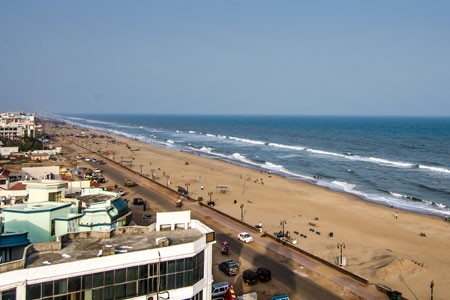
Puri Beach, also known as the Golden Beach, lies along the Bay of Bengal in Puri, Odisha. It’s a major tourist attraction and holds spiritual significance for Hindus. The beach is renowned for its stunning sunrises, golden sands, and vibrant atmosphere during Rath Yatra. It hosts the annual Puri Beach Festival and stunning sand art displays by renowned artist Sudarshan Pattnaik. In 2020, it was awarded the prestigious Blue Flag certification for cleanliness and eco-friendly practices.
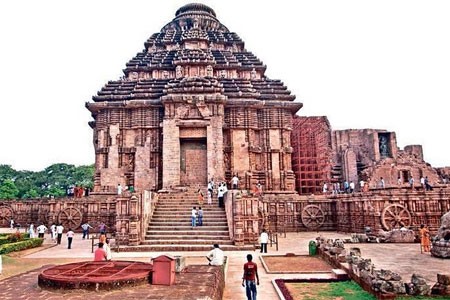
The Konark Sun Temple, built in 1250 CE by King Narasingha Deva I, is a stunning 13th-century marvel shaped like a giant stone chariot dedicated to the Sun God. It features 24 intricately carved wheels and is drawn by seven horses, symbolising the Sun’s journey. At sunrise, the temple appears to emerge from the sea, as if it were carrying the sun. Adorned with detailed carvings of life, mythology, and celestial beings, it reflects Odisha’s architectural brilliance. Though partially in ruins, it stands as a proud UNESCO World Heritage Site.
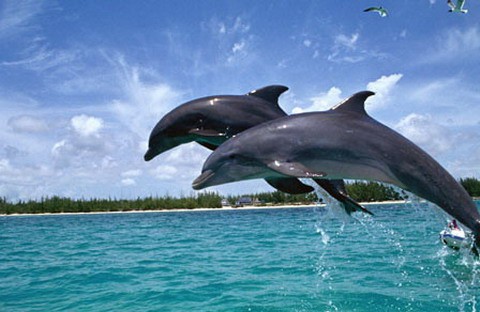
Satapada, located on the southern shore of Chilika Lake in Odisha, is a scenic spot renowned for its tranquil beauty and rich biodiversity. The name “Satapada” means “a group of seven villages,” reflecting its close-knit local culture. It is one of the best places to see the rare Irrawaddy dolphins that inhabit the lake’s brackish waters. Surrounded by serene landscapes, Satapada offers enchanting boat rides, migratory bird sightings, and glimpses of traditional fishing life. Serving as a gateway to the Chilika Sea mouth, where the lake meets the Bay of Bengal, Satapada is a perfect blend of nature, adventure, and coastal charm.
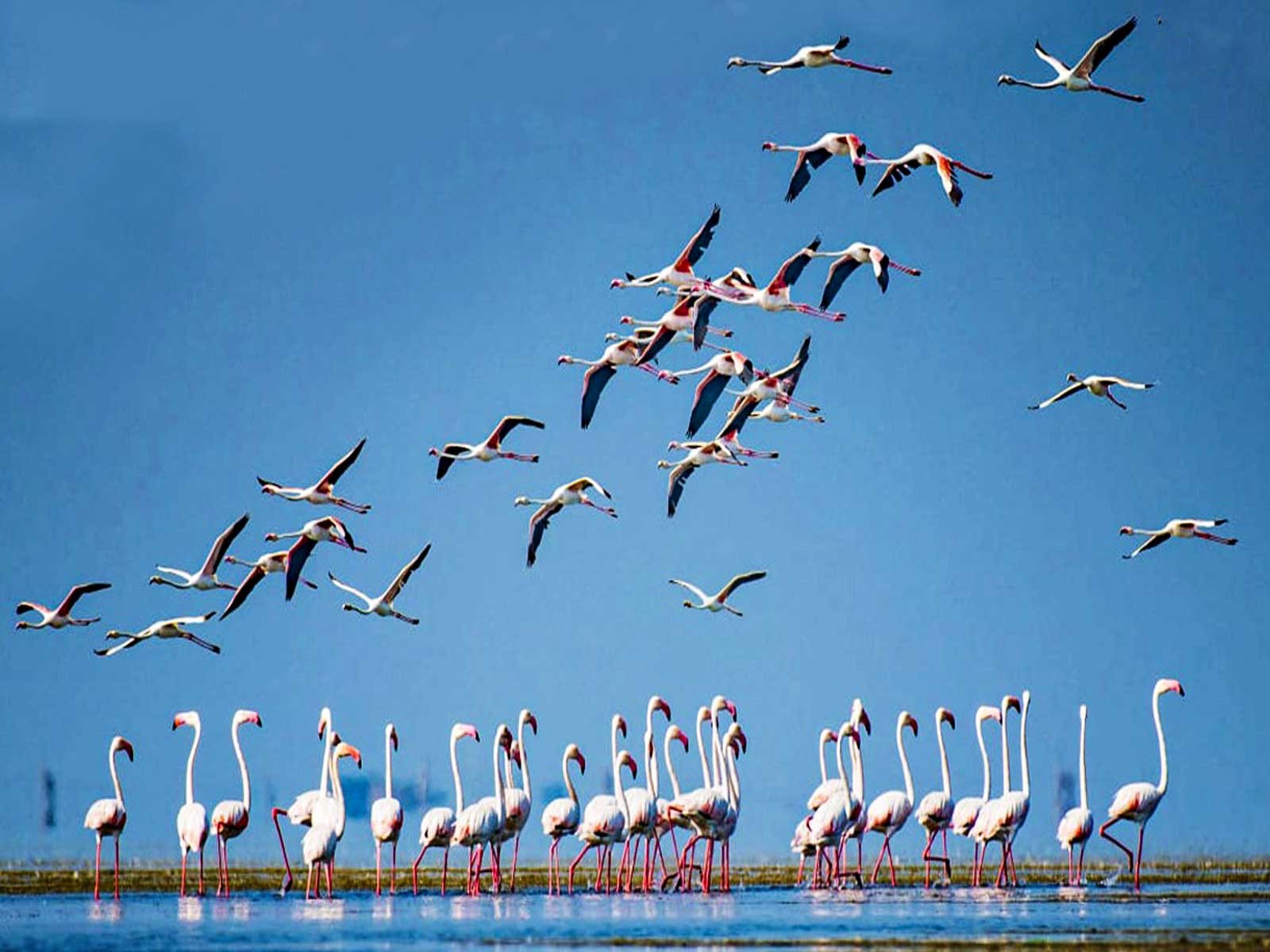
Chilika Lake, located on the eastern coast of Odisha, is Asia’s largest brackish water lagoon and a jewel of natural beauty. Spanning over 1,100 square kilometres, it opens into the Bay of Bengal and supports a rich variety of flora and fauna. Every winter, thousands of migratory birds from distant lands, such as Siberia, flock here, adding to its charm. The lake is also home to the rare Irrawaddy dolphins and dotted with scenic islands such as Nalabana and Kalijai. Recognised as India’s first Ramsar wetland of international importance, Chilika beautifully blends biodiversity, culture, and livelihood.
About
About Coastal Ecosystems and Emerging Challenges CEEC – 2026
The Coastal Ecosystems and Emerging Challenges (CEEC) conference serves as a dynamic platform for scientists, academicians, environmentalists, policymakers, industry professionals, and community stakeholders to explore the evolving landscape of coastal environments. Coastal challenges in India, particularly in biodiversity and the blue economy, are increasingly significant due to growing human pressures, climate change, and unsustainable exploitation of marine resources. Coastal ecosystems comprising mangroves, estuaries, coral reefs, lagoons, and wetlands are among the most productive yet vulnerable ecosystems on Earth. They face mounting threats from climate change, sea-level rise, pollution, habitat degradation, overexploitation, and increasing human interventions.
This conference aims to address these pressing challenges by fostering dialogue, encouraging interdisciplinary research, and showcasing innovative approaches in monitoring, modeling, conservation, and sustainable management of coastal zones. Sessions will span a wide range of topics, including oceanography, marine biodiversity, coastal geomorphology, remote sensing and GIS applications, disaster risk reduction, and opportunities in the blue economy.
The event provides a unique opportunity for participants to exchange ideas, present research findings, form collaborative networks, and contribute to shaping informed policies for the long-term sustainability of coastal regions.
About Centre for Earth System and Sustainability (CESS)
The Centre for Earth System and Sustainability (CESS) is dedicated to addressing environmental challenges through cutting-edge research, academic excellence, and technological innovation under the umbrella of Centurion University of Technology and Management, Odisha. The university has been designated as Centre of Excellence (CoE). The vision of the CoE is to be a leading centre of excellence in Earth system and sustainability, leveraging advanced geospatial technology and oceanographic research to drive innovative solutions for environmental challenges and benefits to the community. Currently, the centre engage with the following research activities to support sustainable development and environmental conservation; (a) Bio-geochemical study of sea water, (b) Monitoring the impact of climate change on marine biodiversity, (c) Using satellite remote sensing to monitor water quality and ocean productivity, (d) Hyperspectral study of water, soil, and vegetation (e) Developing algorithms for chlorophyll estimation and harmful algal bloom detection, (f) Toxic element analysis of drinking water, waste water, and surface water, (g) Air quality index monitoring and mapping, (h) DGPS and UAV usage, data processing, and mapping.
National Advisory Committee
- J Padhi, Director, SoET, BBSR Campus, CUTM
- (Dr.) Madhumita Das, Former Vice Chancellor, F M University, Odisha
- (Dr.) Geetanjali Dash, Vice Chancellor, Berhampur University, Odisha
- (Dr.) Susanta Kumar Das, Vice Chancellor, G. M University, Sambalpur
- (Dr.) Pradipta Kumar Behera, Vice-Chancellor, Rajendra University, Bolangir.
- Rajendra Narayan Satapathy, Principal, School of Maritime Studies, CUTM
- Debadatta Swain, Associate Professor, IIT Bhubaneswar
- Sandeep K K, Assistant Professor, IIT Bhubaneswar
- Nityananda Das, Dean, College of Fisheries, OUAT
- Shreerup Goswami, Dept. of Geology, Utkal University
- Manoranjan Mishra, Dept. of Geography, FM University
- Ajanta Goswami, Department of Earth Sciences, IIT Roorkee
- Suchismita Srichandan, Dept. of Marine Sciences, Berhampur University
- Saurav Sil, School of Earth, Ocean & Climate Sciences, IIT Bhubaneswar
- Uma Sankar Panda, Scientist, NCCR, MoES, Chennai
- Rajdeep Roy, Scientist, NRSC, ISRO
- Aneesh A. Lotilker, Division Head and Scientist-F, INCOIS, Hyderabad
- Manish Kumar, Scientist, IMMT, BBSR
- Nihar Ranjan Sahu, State Pollution Control Board, Bhubaneswar
- Biraj Kumar Sahu, Scientist, CSIR-NIO, Goa
- Asutosh Acharya, Aurassure Pvt, Ltd.
ORGANIZING COMMITTEE
PATRONS
Prof. MuktiKanta Mishra
President CUTM
Prof. D.N Rao
Vice- President CUTM
CO-PATRONS
Prof. Supriya Pattnaik
Vice-Chancellor, CUTM, Odisha,India
Prof. Supriya Pattnaik
Registrar, CUTM, Odisha,India
CONVENOR
Dr Kamal Kumar Barik
Associate Professor
Centre for Earth System and Sustainability
Centurion University of Technology and Management
Ramachandrapuram, Jatni, Khurdha, Bhubaneswar: 752050
Organizing Secretary
Dr Pratap Kumar Chhotaray
Associate Professor
Centre for Earth System and Sustainability
Centurion University of Technology and Management
Ramachandrapuram, Jatni, Khurdha, Bhubaneswar: 752050
JOINT ORGANIZING SECRETARY
Dr Sai Smrutiranajn Mohanty
Assistant Professor
Dept. of Environmental Sciences
Centurion University of Technology and Management
Ramachandrapuram, Jatni, Khurdha, Bhubaneswar: 752050
LOCAL ORGANIZING COMMITTEE
- Smita Mishra Panda, School of Management, CUTM
- Sujata Chakravarty, Dean, School of Engineering & Technology, CUTM
- Prof R C Mohanty, Dear R&D, CUTM
- Sangram Keshari Swain, Dean, Students’ Welfare, CUTM
- Prafulla Kumar Panda, Dean, SoET, Paralakhemundi, CUTM
- Prof Pallab Das, Dean, School of Law, CUTM
- Siba Prasad Mishra, Dept of Civil Engineering, CUTM
- Harish Ch. Mohanta, Dept. of ECE, CUTM
- Dr Jyoti Praksh Giri, Associate Professor, Dept of Civil Engineering, CUTM
- Dr Biranchi Prasad Mishra, Associate Professor, Dept. of Aerospace Engineering, CUTM
- Sudhansu Kumar Samal, Associate Professor, Dept. of EEE, CUTM
- Prof Rajkumar Mohanta, Assistant Professor, Dept. of CSE, CUTM
- Dr Deepak Kumar Sahu, Assistant Professor, Dept of Civil Engineering, CUTM
- Dr Datatraya Tripathy, Dept of Civil Engineering, CUTM
- Dr Rukmini Mishra, Associate Professor, Dept. of Botany, CUTM
- Dr Abanikanta Bhadra, Dept. of Environmental Sciences, CUTM
- Dr Pradeep Kumar Sahoo, Associate Professor, School of Management, CUTM
- Jyotiraj Patra, School of Management, CUTM
- Prof Kula Bhusan Pradhan, BBSR Campus, CUTM
- Mr Chitta Pattanayak, Senior Manager HRA, CUTM
About CUTM
The Centurion University is duly recognised as a pioneer in ‘Skill Integrated Higher Education’ and has been accredited with an NAAC A+ grade. Its unique model lays specific emphasis on creating sustainable livelihoods on a national scale in challenging geographies through education that results in employability and sparks entrepreneurship. This model has been recognised by multiple Governments (Central and State), International organisations such as UNESCO and the World Bank, as well as Policy Think-tanks such as the Niti Ayog. Centurion University’s School of Vocational Education and Training has been recognized as a Centre of Excellence by the Ministry of Skill Development and Entrepreneurship, Government of India.
At present, the university has different campuses (located at Paralakhemundi (Gajapati District), Bhubaneswar (Khurdha District), Rayagada, Balangir, Chatrapur (Ganjam District), and Balasore and several social entrepreneurial outreach programs that, along with collaborating institutions and networks, form its ecosystem. Its motto is “Shaping lives and empowering communities” from its inception. The university is known for its skill development courses and academic excellence in the field of education, with 24 research centers on niche areas and has 43 domain courses from its 16 schools, and 110 skill courses, for providing hands-on training to the students and making them market-ready.
How to Reach CUTM
- To reach Centurion University, Bhubaneswar, from Biju Patnaik International Airport (23 km away), you can take the AMA Bus Route 21 and change at Jatani Gate to AMA Bus Route 22B, or hire a taxi/Odisha Yatri/ Ola/ Uber.
- From the Khurda Road Junction Railway Station (3.9 km away), taxis or autos are available, or take an AMA Bus (Route 22B) to Centurion University of Technology and Management, or hire a taxi/Odisha Yatri/ Ola/ Uber.
- From the Bhubaneswar Railway Station (25 km away), taxis or autos are available, or take the AMA Bus Route 21AC/ 21A and change at Khurda Road Station Bus Depot to AMA Bus Route 22B to Centurion University of Technology and Management, or hire a taxi/Odisha Yatri/ Ola/ Uber.
By road, CUTM is easily accessible from major city points, such as Jatani Gate and Baramunda ISBT, via Mo Bus or auto-rickshaws. The campus is situated near Sitaram Square, along the Jatani-Bhubaneswar Road, and is well-connected by public and app-based transportation.
CONFERENCE MODE
The Conference shall be held in an OFFLINE MODE only.
About Venue City
How to Reach Bhubaneswar/Jatani
By Air:
Biju Patnaik International Airport (BBI) is the primary airport in Bhubaneswar, located just 23 km from the Jatani. It operates regular domestic flights from major cities like Delhi, Mumbai, Kolkata, Bengaluru, Hyderabad, and Chennai.
Airport to Jatani: easily accessible via prepaid taxis, cabs (Odisha Yatri/Ola/Uber), and auto-rickshaws.
By Train:
Khurda Road Junction Railway Station and Bhubaneswar Railway Station (BBS) are major stops on the East Coast Railway network and are well-connected to almost every major Indian city, including New Delhi, Mumbai, Chennai, Howrah (Kolkata), Bengaluru, and Ahmedabad. Frequent superfast trains, Rajdhani, and express services make travel convenient and affordable.
Railway Station to Jatani: Located south of Bhubaneswar; autos, cabs, and buses are readily available outside the station.
By Road:
Bhubaneswar is well-linked by an extensive road network via National Highways NH-16 and NH-316. Government-run (OSRTC) and private buses operate daily from nearby cities, such as Puri, Cuttack, and Berhampur, as well as distant metros like Kolkata, Ranchi, and Visakhapatnam. Deluxe AC, non-AC, sleeper, and Volvo services are available.
Bus Terminals: Major bus stands include Baramunda ISBT and Babasaheb Bhim Rao Ambedkar Bus Terminal (BSABT), from where local transport is easily available.
Places to Visit
The Lingaraja Temple in Bhubaneswar is an 11th-century architectural marvel dedicated to Lord Shiva, worshipped here as Harihara, a fusion of Shiva and Vishnu. It is one of the oldest and most prominent temples in Odisha, showcasing the grandeur of Kalinga-style architecture. The temple’s towering spire and intricate carvings make it a major pilgrimage site and tourist attraction. Shiva’s consort, Goddess Parvati, is worshipped here as Annapurna or Girija. It remains a vibrant center of devotion and heritage in Bhubaneswar.
Nandankanan is a unique zoo and botanical garden located inside a forest, offering natural enclosures for animals. It is famous for white tigers, lions, and a wide variety of birds and reptiles. The zoo also features a safari, toy train, aquarium, and boating. It’s a popular spot for families and wildlife lovers.
The Odisha State Museum in Bhubaneswar, originally established in 1932 and relocated to its current building in 1960, showcases the rich cultural and historical heritage of Odisha. It houses eleven sections, including Archaeology, Numismatics, Art & Craft, Palm-leaf Manuscripts, and more. The museum displays ancient sculptures, coins, weapons, manuscripts, and tribal artifacts. Managed by the Department of Cultural Affairs, it offers deep insights into Odisha’s artistic and historical evolution, making it ideal for students, researchers, and culture lovers.
The Dhauli Shanti Stupa, or Peace Pagoda, was built in 1972 by the Japan Buddha Sangha and Kalinga Nippon Buddha Sangha. It marks the site of the historic Kalinga War, where Emperor Ashoka renounced violence and embraced Buddhism. The white stupa, a symbol of peace and non-violence, offers serene views of the Daya River and surrounding landscape. Visitors can also see Ashokan rock edicts and ancient inscriptions nearby. The site is a powerful reminder of transformation through peace.
The Udayagiri and Khandagiri Caves, also known as the Cuttack Caves, are a group of partly natural and partly man-made caves dating back to the 2nd century BCE. These twin hills are closely associated with Jain monks and reflect early Jain architecture and monastic life. Udayagiri features intricately carved caves, such as Rani Gumpha, while Khandagiri offers panoramic views of Bhubaneswar. The site holds immense archaeological, historical, and religious significance.
The Konark Sun Temple, built in 1250 CE by King Narasingha Deva I, is a stunning 13th-century marvel shaped like a giant stone chariot dedicated to the Sun God. It features 24 intricately carved wheels and is drawn by seven horses, symbolising the Sun’s journey. At sunrise, the temple appears to emerge from the sea, as if it were carrying the sun. Adorned with detailed carvings of life, mythology, and celestial beings, it reflects Odisha’s architectural brilliance. Though partially in ruins, it stands as a proud UNESCO World Heritage Site.
Puri Beach, also known as the Golden Beach, lies along the Bay of Bengal in Puri, Odisha. It’s a major tourist attraction and holds spiritual significance for Hindus. The beach is renowned for its stunning sunrises, golden sands, and vibrant atmosphere during Rath Yatra. It hosts the annual Puri Beach Festival and stunning sand art displays by renowned artist Sudarshan Pattnaik. In 2020, it was awarded the prestigious Blue Flag certification for cleanliness and eco-friendly practices.
The Konark Sun Temple, built in 1250 CE by King Narasingha Deva I, is a stunning 13th-century marvel shaped like a giant stone chariot dedicated to the Sun God. It features 24 intricately carved wheels and is drawn by seven horses, symbolising the Sun’s journey. At sunrise, the temple appears to emerge from the sea, as if it were carrying the sun. Adorned with detailed carvings of life, mythology, and celestial beings, it reflects Odisha’s architectural brilliance. Though partially in ruins, it stands as a proud UNESCO World Heritage Site.
Satapada, located on the southern shore of Chilika Lake in Odisha, is a scenic spot renowned for its tranquil beauty and rich biodiversity. The name “Satapada” means “a group of seven villages,” reflecting its close-knit local culture. It is one of the best places to see the rare Irrawaddy dolphins that inhabit the lake’s brackish waters. Surrounded by serene landscapes, Satapada offers enchanting boat rides, migratory bird sightings, and glimpses of traditional fishing life. Serving as a gateway to the Chilika Sea mouth, where the lake meets the Bay of Bengal, Satapada is a perfect blend of nature, adventure, and coastal charm.
Chilika Lake, located on the eastern coast of Odisha, is Asia’s largest brackish water lagoon and a jewel of natural beauty. Spanning over 1,100 square kilometres, it opens into the Bay of Bengal and supports a rich variety of flora and fauna. Every winter, thousands of migratory birds from distant lands, such as Siberia, flock here, adding to its charm. The lake is also home to the rare Irrawaddy dolphins and dotted with scenic islands such as Nalabana and Kalijai. Recognised as India’s first Ramsar wetland of international importance, Chilika beautifully blends biodiversity, culture, and livelihood.