Centurion University of Technology & Management, Bhubaneswar (CUTM) Ramachandrapur, Jatni, Odisha 752050
How To Reach The University
By Air: Bhubaneswar has direct flights from various cities, including Delhi, Bengaluru, Kolkata, Mumbai, Hyderabad, Allahabad, Chennai, Raipur, Guwahati, Patna, Pune, Varanasi and Ahmedabad. The airport is located 24 km from the University.
By Rail: Bhubaneswar and Khurda Road Junctions are the major railway station well connected to different parts of the country. The Bhubaneswar railway station is located 26 km and Khurda Road Station is 4 km from the University.
By Road: Bhubaneswar is well connected to various cities by road via state and national highways.
Distance from Various Cities to Campus (By Road)
Bhubaneswar: 23km
Cuttack: 47km
Vishakhapatnam: 429km
Kolkata : 466km
Ranchi: 534km
Raipur: 540km
Patna: 852km
Hyderabad: 1036km
Bengaluru: 1418km
Guwahati: 1442km
Mumbai: 1588km
Delhi: 1624km
VENUE & TRAVEL
Centurion University of Technology and Management (CUTM) School of Applied Sciences, Bhubaneswar, Odisha, India Google Maps: https://maps.app.goo.gl/xJYZD5r2maedQcx26
How to Reach:
By Air: Biju Patnaik International Airport (24 km)
By Rail: Khurda Road (4 km), Bhubaneswar (26 km)
By Road: BSABT Bus Terminal, Bhubaneswar (17 km)
Places to Visit
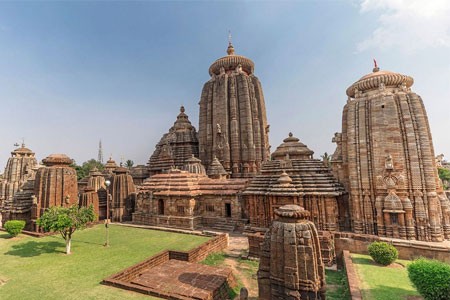
Lingaraj Temple
The Lingaraja Temple in Bhubaneswar is an 11th-century architectural marvel dedicated to Lord Shiva, worshipped here as Harihara, a fusion of Shiva and Vishnu. It is one of the oldest and most prominent temples in Odisha, showcasing the grandeur of Kalinga-style architecture. The temple’s towering spire and intricate carvings make it a major pilgrimage site and tourist attraction. Shiva’s consort, Goddess Parvati, is worshipped here as Annapurna or Girija. It remains a vibrant center of devotion and heritage in Bhubaneswar.
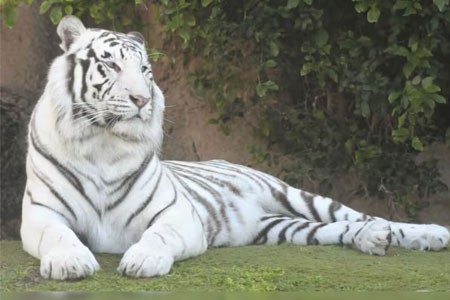
Nandankanan is a unique zoo and botanical garden located inside a forest, offering natural enclosures for animals. It is famous for white tigers, lions, and a wide variety of birds and reptiles. The zoo also features a safari, toy train, aquarium, and boating. It’s a popular spot for families and wildlife lovers.
Nandankanan Zoological Park
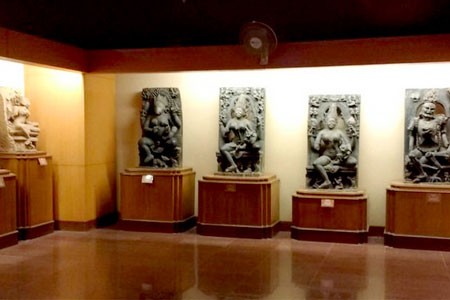
Odisha State Museum
The Odisha State Museum in Bhubaneswar, originally established in 1932 and relocated to its current building in 1960, showcases the rich cultural and historical heritage of Odisha. It houses eleven sections, including Archaeology, Numismatics, Art & Craft, Palm-leaf Manuscripts, and more. The museum displays ancient sculptures, coins, weapons, manuscripts, and tribal artifacts. Managed by the Department of Cultural Affairs, it offers deep insights into Odisha’s artistic and historical evolution, making it ideal for students, researchers, and culture lovers.
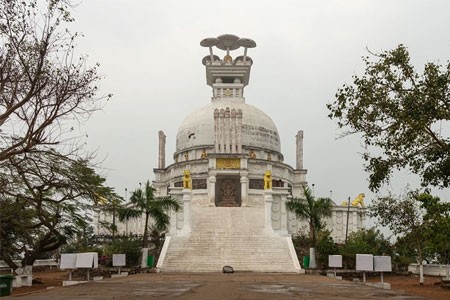
The Dhauli Shanti Stupa, or Peace Pagoda, was built in 1972 by the Japan Buddha Sangha and Kalinga Nippon Buddha Sangha. It marks the site of the historic Kalinga War, where Emperor Ashoka renounced violence and embraced Buddhism. The white stupa, a symbol of peace and non-violence, offers serene views of the Daya River and surrounding landscape. Visitors can also see Ashokan rock edicts and ancient inscriptions nearby. The site is a powerful reminder of transformation through peace.
Dhauli Peace Pagoda (Shanti Stupa)
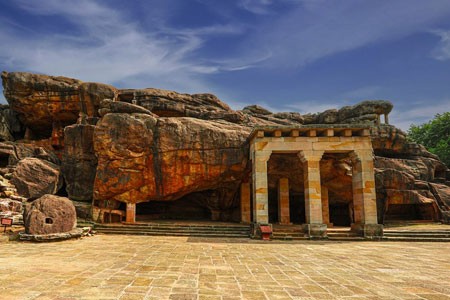
Khandagiri and Udayagiri Caves
The Udayagiri and Khandagiri Caves, also known as the Cuttack Caves, are a group of partly natural and partly man-made caves dating back to the 2nd century BCE. These twin hills are closely associated with Jain monks and reflect early Jain architecture and monastic life. Udayagiri features intricately carved caves, such as Rani Gumpha, while Khandagiri offers panoramic views of Bhubaneswar. The site holds immense archaeological, historical, and religious significance.
The Konark Sun Temple, built in 1250 CE by King Narasingha Deva I, is a stunning 13th-century marvel shaped like a giant stone chariot dedicated to the Sun God. It features 24 intricately carved wheels and is drawn by seven horses, symbolising the Sun’s journey. At sunrise, the temple appears to emerge from the sea, as if it were carrying the sun. Adorned with detailed carvings of life, mythology, and celestial beings, it reflects Odisha’s architectural brilliance. Though partially in ruins, it stands as a proud UNESCO World Heritage Site.
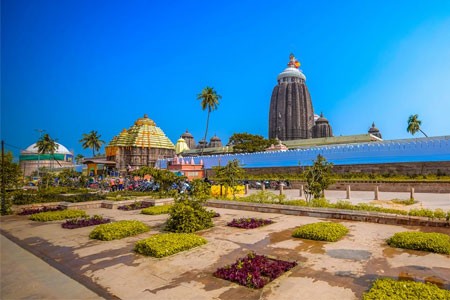
Shri Jagannatha Temple, Puri
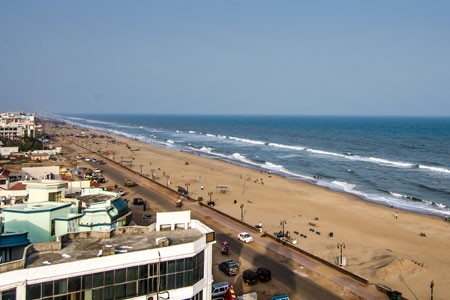
Puri Beach
Puri Beach, also known as the Golden Beach, lies along the Bay of Bengal in Puri, Odisha. It’s a major tourist attraction and holds spiritual significance for Hindus. The beach is renowned for its stunning sunrises, golden sands, and vibrant atmosphere during Rath Yatra. It hosts the annual Puri Beach Festival and stunning sand art displays by renowned artist Sudarshan Pattnaik. In 2020, it was awarded the prestigious Blue Flag certification for cleanliness and eco-friendly practices.
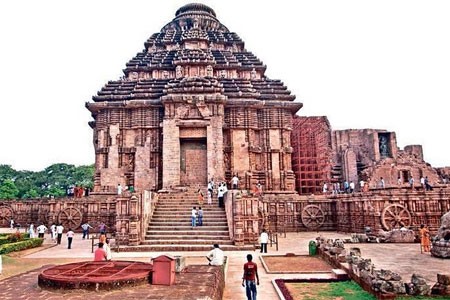
The Konark Sun Temple, built in 1250 CE by King Narasingha Deva I, is a stunning 13th-century marvel shaped like a giant stone chariot dedicated to the Sun God. It features 24 intricately carved wheels and is drawn by seven horses, symbolising the Sun’s journey. At sunrise, the temple appears to emerge from the sea, as if it were carrying the sun. Adorned with detailed carvings of life, mythology, and celestial beings, it reflects Odisha’s architectural brilliance. Though partially in ruins, it stands as a proud UNESCO World Heritage Site.
Konark Sun Temple
Satapada Dolphin Sanctuary
Satapada, located on the southern shore of Chilika Lake in Odisha, is a scenic spot renowned for its tranquil beauty and rich biodiversity. The name “Satapada” means “a group of seven villages,” reflecting its close-knit local culture. It is one of the best places to see the rare Irrawaddy dolphins that inhabit the lake’s brackish waters. Surrounded by serene landscapes, Satapada offers enchanting boat rides, migratory bird sightings, and glimpses of traditional fishing life. Serving as a gateway to the Chilika Sea mouth, where the lake meets the Bay of Bengal, Satapada is a perfect blend of nature, adventure, and coastal charm.
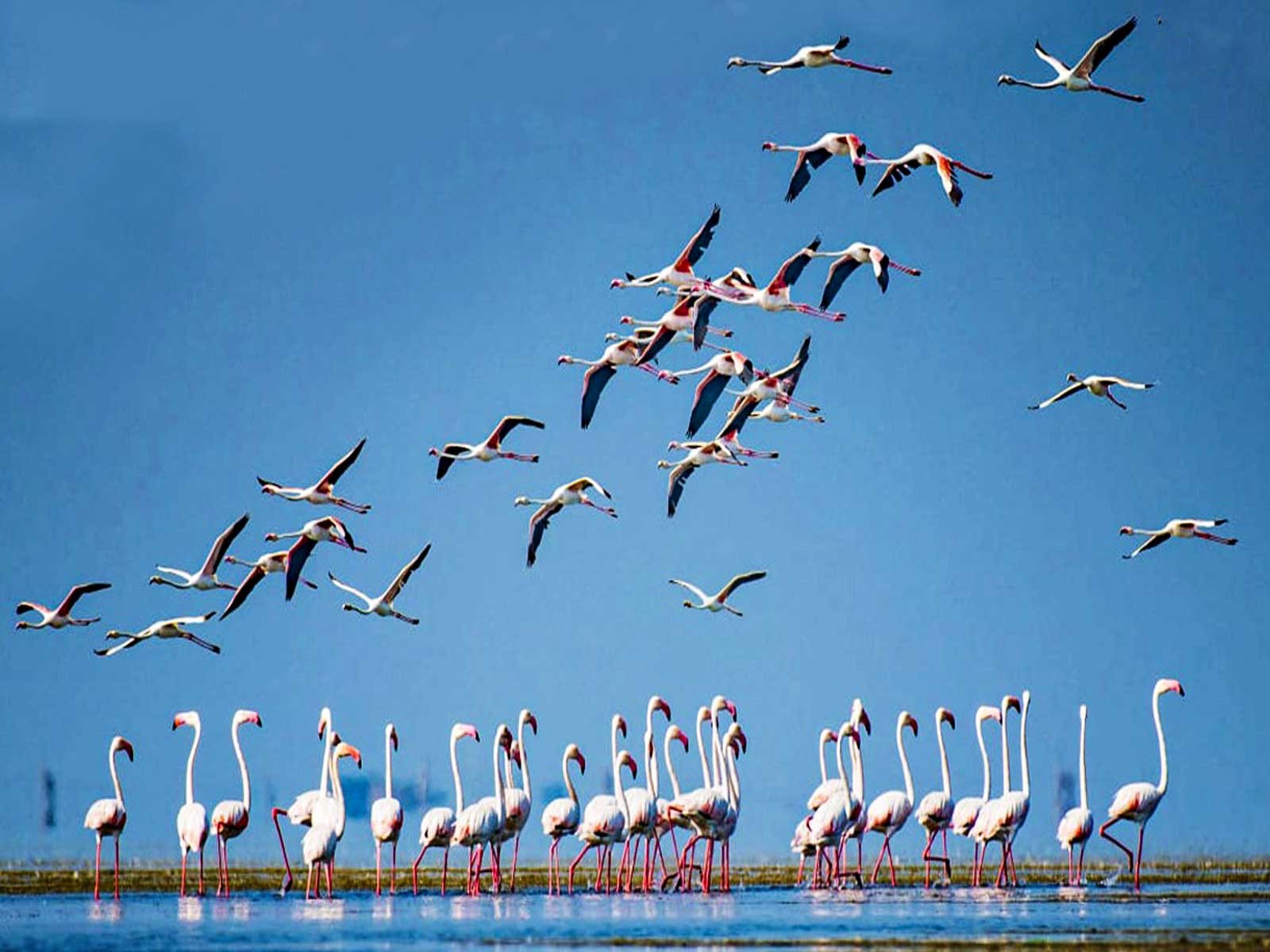
Chilika Lake, located on the eastern coast of Odisha, is Asia’s largest brackish water lagoon and a jewel of natural beauty. Spanning over 1,100 square kilometres, it opens into the Bay of Bengal and supports a rich variety of flora and fauna. Every winter, thousands of migratory birds from distant lands, such as Siberia, flock here, adding to its charm. The lake is also home to the rare Irrawaddy dolphins and dotted with scenic islands such as Nalabana and Kalijai. Recognised as India’s first Ramsar wetland of international importance, Chilika beautifully blends biodiversity, culture, and livelihood.